The Engineering Behind Hydraulic Ironworker Dual-Cylinder Configurations – Optimizing Punching and Shearing Workflows
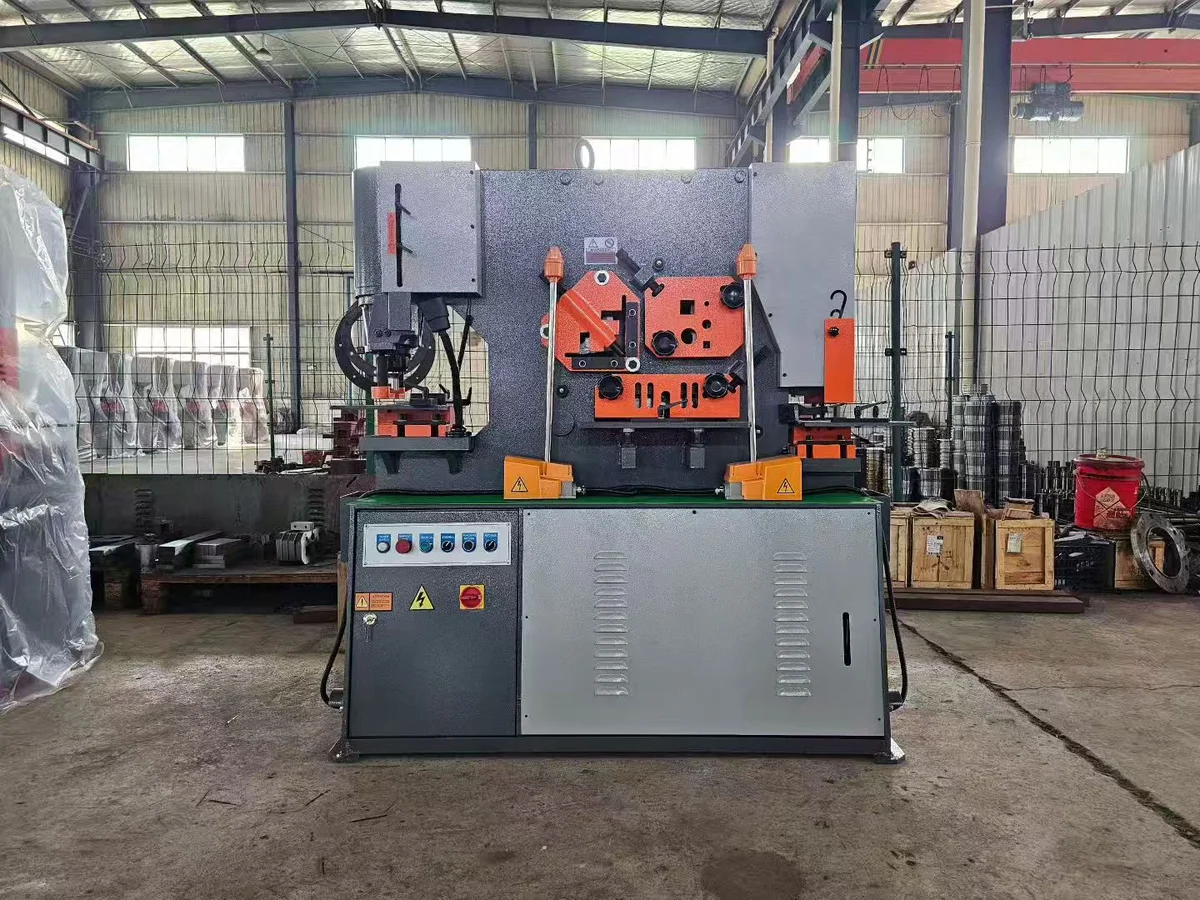
Dual-cylinder configurations are the gold standard for high-productivity hydraulic ironworkers. This technical analysis explores the hydraulic circuits, station kinematics, and structural advantages of dual-cylinder designs.
In structural steel fabrication, metal shops, and maintenance departments, the hydraulic ironworker is a core multi-functional machine. It performs punching, flat-bar shearing, angle shearing, section cutting, and notching within a single compact footprint.
When selecting an ironworker, the primary mechanical design choice is between a single-cylinder and a dual-cylinder configuration. For B2B buyers evaluating equipment for high-capacity production, understanding the hydraulic and structural engineering differences between these two designs is key to maximizing throughput and tool longevity.
Technical Comparison of Cylinder Designs
1. Single-Cylinder Kinematics
A single-cylinder ironworker uses a single hydraulic piston to actuate all stations. The mechanical linkage (typically a pivot beam or rocker arm) distributes the force to the active station.
- Limitation - Station Lockout: Because there is only one hydraulic actuator, only one operator can use the machine at any given time. If an operator is punching holes, the shearing and notching stations are locked out.
- Limitation - Stroke Adjustments: The stroke length is governed by a single limit switch setup. Adjusting the cylinder stroke to punch thin sheet metal also changes the stroke for the other stations, requiring constant manual resetting.
2. Dual-Cylinder Kinematics
Dual-cylinder ironworkers feature two independent hydraulic cylinders working in parallel. Cylinder A drives the primary punching station, while Cylinder B drives the shearing and notching stations.
The hydraulic system utilizes two independent directional control valves and pressure circuits, powered either by a single large-displacement hydraulic pump with a flow divider or by dual independent pumps.
Hydraulic Oil Reservoir
Dual-Stage Hydraulic Pump
Solenoid Control Valve A
PUNCH CYLINDER
Solenoid Control Valve B
SHEAR CYLINDER
Structural and Flow Performance
To help plant managers and production planners compare these systems, the table below outlines the core operating parameters:
| Technical Parameter | Single-Cylinder Ironworker | RAXMEK Dual-Cylinder Ironworker |
|---|---|---|
| Independent Operators | Max 1 operator | 2 operators simultaneously (zero interference) |
| Hydraulic Circuit | Single loop, manual control | Independent dual loop with proportional flow control |
| Stroke Control | Mechanical limit switches (shared) | Digital CNC Stroke Adjustment (independent per cylinder) |
| Punching station speed | Redundant return stroke travel time | Optimized short-stroke cycle time |
| Foot Switch Controls | 1 foot pedal | 2 independent foot pedals with safety interlocks |
| Frame Rigidity | High C-frame stress concentration | Distributed dual C-frame stress paths |
Operational Advantages of Dual-Cylinder Design
1. Dual Operator Efficiency
In busy fabrication shops, the sawing/shearing department and the punching department are often bottlenecked at the same time. On a single-cylinder machine, the shearing operator must wait for the punching operator to finish their batch.
With a RAXMEK dual-cylinder ironworker, one worker can shear angle iron or flat bars on the shear side while a second worker punches holes on the punch side. This dual-user capability doubles the machine’s utility without increasing the workshop footprint.
2. Independent Stroke Optimization
Punching thin-walled material requires a very short stroke to maximize cycle speed, whereas shearing heavy flat bars requires a long, full-depth stroke. On a dual-cylinder machine, the punching cylinder stroke can be adjusted down to 15 mm (achieving up to 40 strokes per minute), while the shearing cylinder runs a full 60 mm stroke. This optimization minimizes cycle time and saves energy by not cycling the cylinder through unused travel distance.
3. Structural Stress Redistribution
Applying 100 tons of force on a single point creates extreme localized stress on the machine frame. Dual-cylinder designs split the frame’s stress pathways.
When both cylinders are active, the load is balanced across the structural columns, reducing frame flexing and preserving alignment between the punch and die. This structural stability directly extends the life of the punching tools.
B2B Financial and ROI Impact
For B2B procurement managers, the price premium of a dual-cylinder ironworker is offset by quantifiable cost savings:
1. Labor Cost Reduction
Since two operators can work simultaneously on a single RAXMEK dual-cylinder machine, a shop can handle the workload of two single-cylinder machines with half the capital equipment investment and half the floor space. This saves $5,000 - $8,000 in floor space costs and eliminates the need to buy a second machine.
2. Tooling Longevity
Frame flexing under unbalanced single-point loads leads to punch-to-die misalignment. A misalignment of even 0.05 mm causes the punch to shave the side of the die, accelerating tool wear and producing burrs on the metal.
By maintaining frame rigidity and linear piston travel under load, RAXMEK dual-cylinder ironworkers extend punch and die lifespan by 30-40%, reducing annual consumable tool costs.
Technical Consultation and Engineering Support
RAXMEK hydraulic ironworkers are built with stress-relieved steel plates, high-grade solenoid valves, and hard-chromed piston rods to withstand continuous industrial use.
Our engineering team is ready to assist you in selecting the ideal tonnage (from 50 tons to 150+ tons) and station configuration for your shop. We offer:
- Station Customization: Designing custom press brake bending stations, channel shearing blades, or oversized punching attachments.
- Production Simulation: Share your part drawings, and we will calculate the required tonnage and estimate cycle times.
- Detailed Quotations: Comprehensive, transparent quotations detailing shipping logistics, installation requirements, and spare parts packages.
Contact RAXMEK today to consult with our technical team and maximize your shop’s productivity.
الموارد ذات الصلة
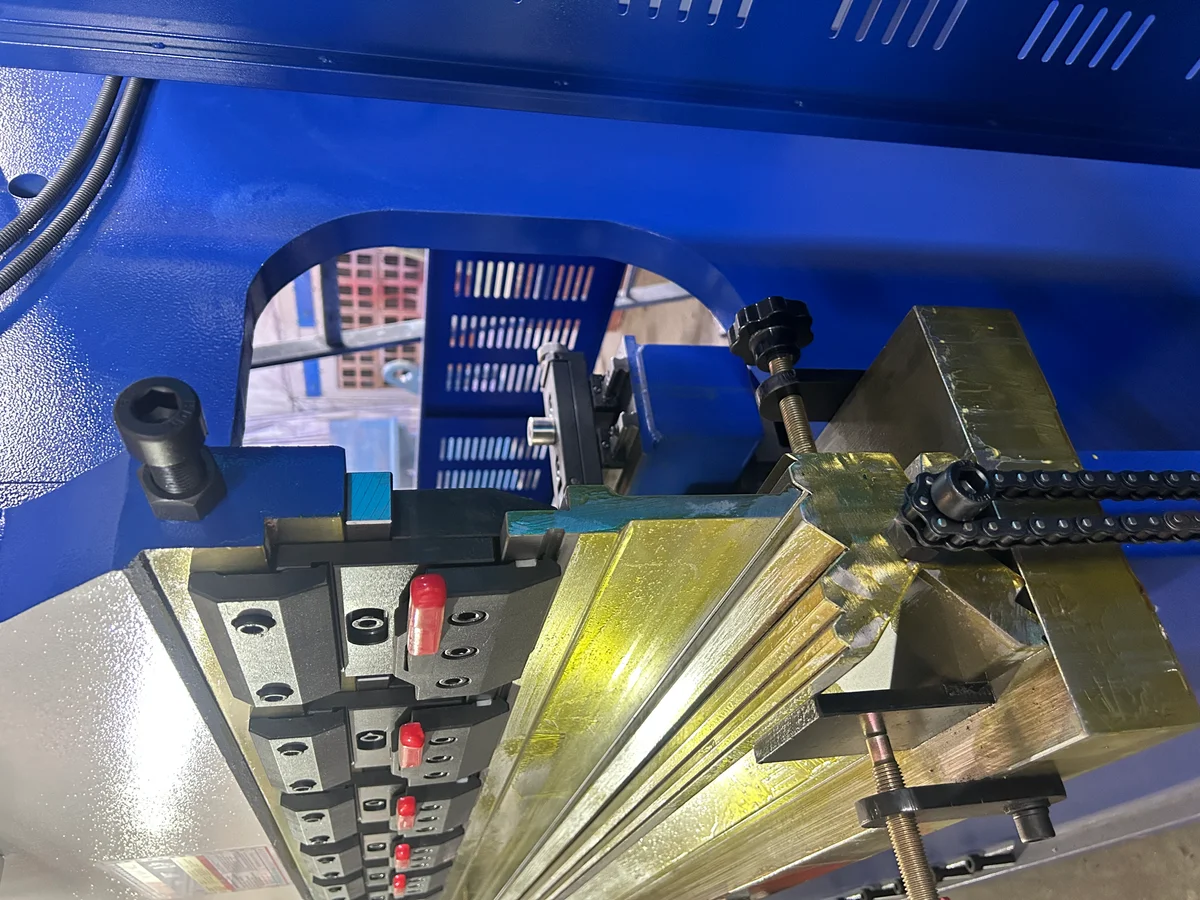
CNC Press Brake Crowning Systems – Hydraulic vs. Mechanical Deflection Compensation for High-Precision Metal Bending
In precision sheet metal bending, frame deflection directly affects angle consistency across the bending length. This article examines the mechanical differences, PID feedback...
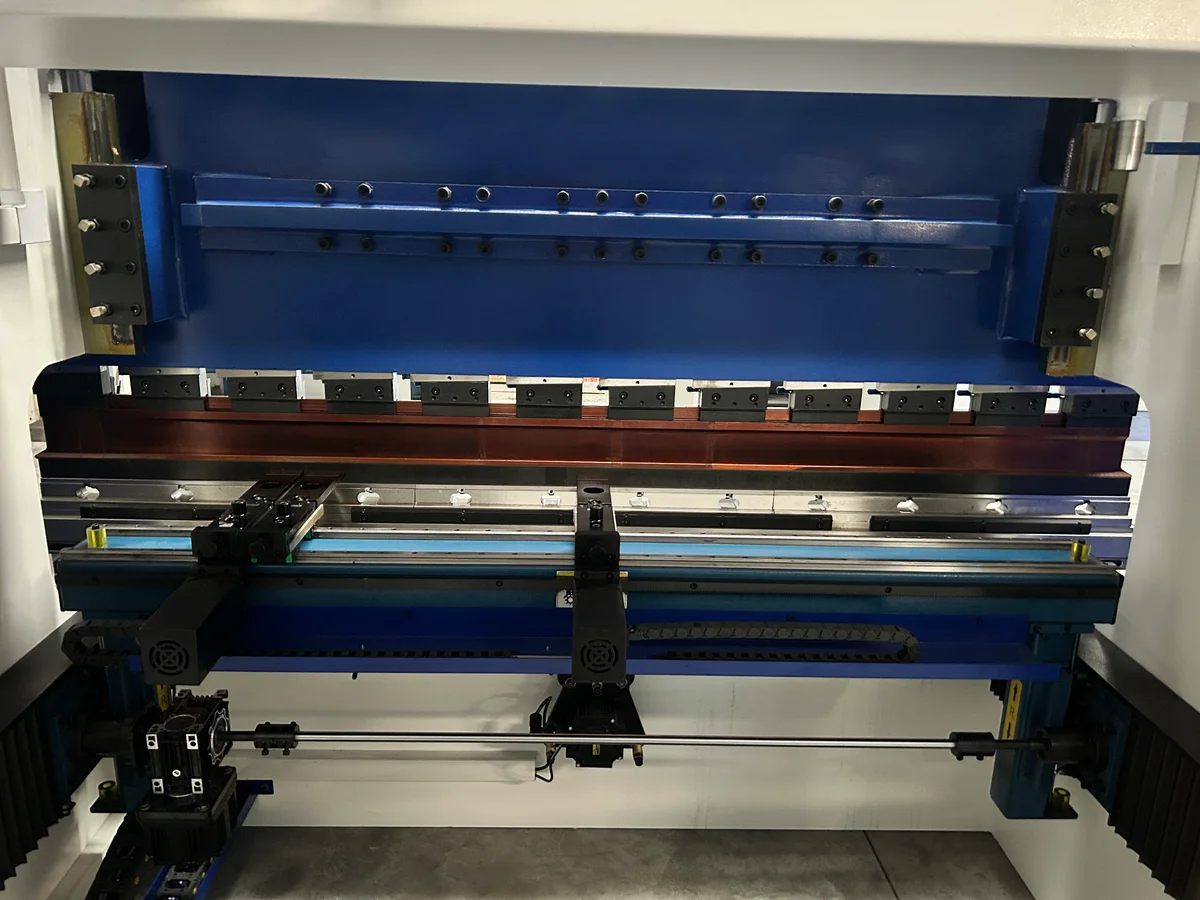
CNC Press Brake Backgauge Systems – Comparing Multi-Axis (X, R, Z1, Z2, X1, X2) Drive Configurations and Their Impact on Bending Accuracy
A deep dive into press brake backgauge axes, drive kinematics, and linear transmission systems. Learn how multi-axis (X, R, Z1, Z2, X1, X2) setups improve production speed...
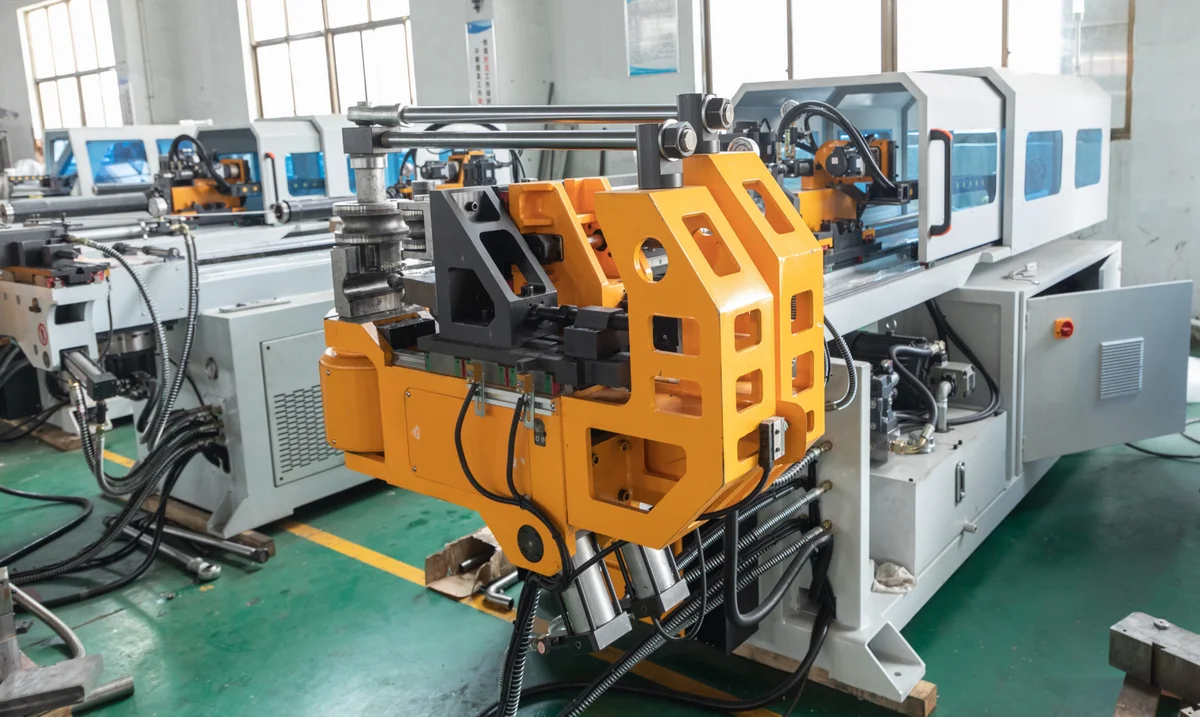
Mandrel Selection and Placement Kinematics – Preventing Wrinkling, Ovality, and Wall Thinning in Thin-Walled Tube Bending
High-quality tube bending requires careful management of internal and external forces. This article explores mandrel types, wiper die settings, and mandrel insertion depth...